Why India’s Leading Resorts Are Choosing Elite Electric Carts
How premium properties are transforming guest mobility with Elite Electric Golf Carts and lithium battery technology.
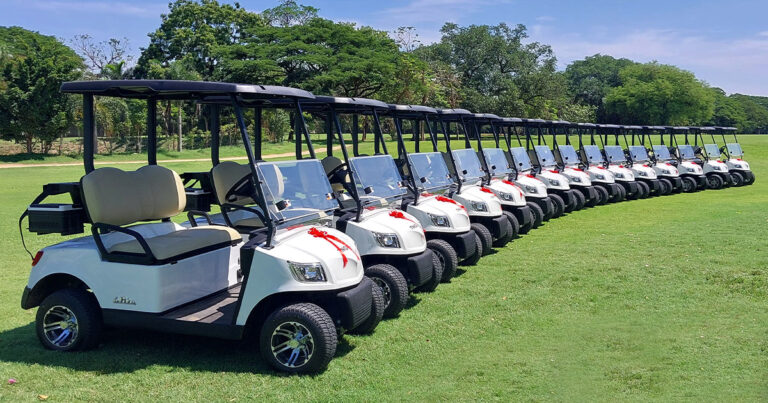
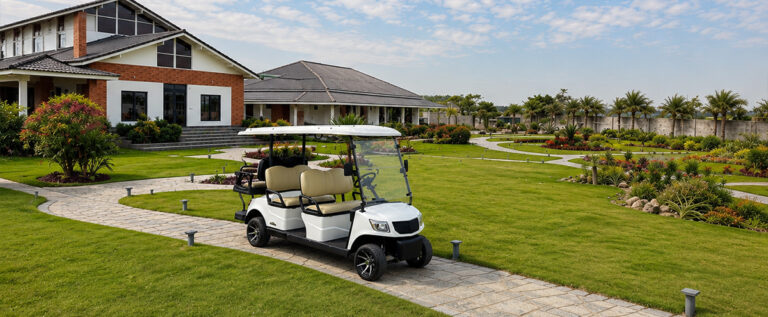
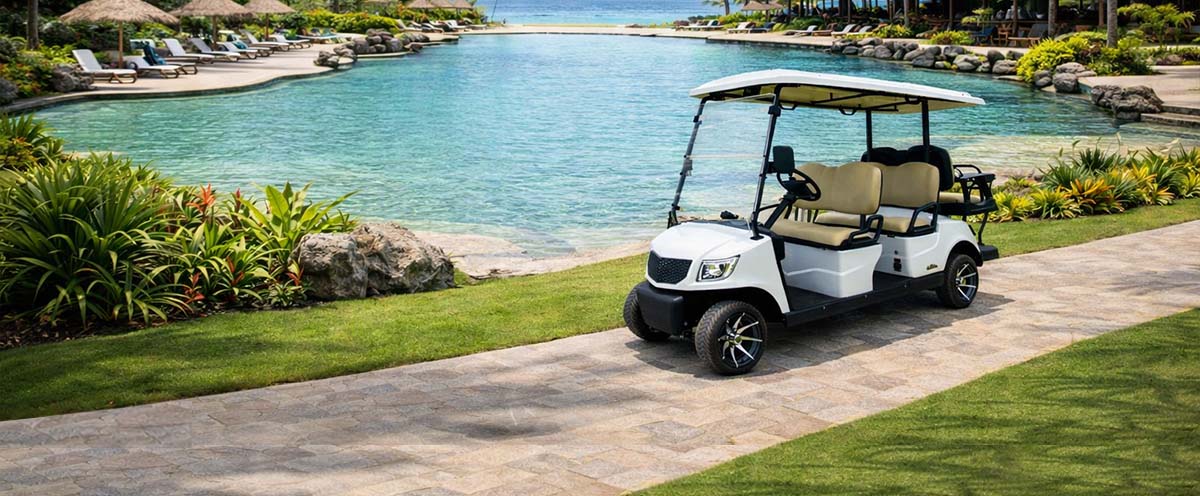
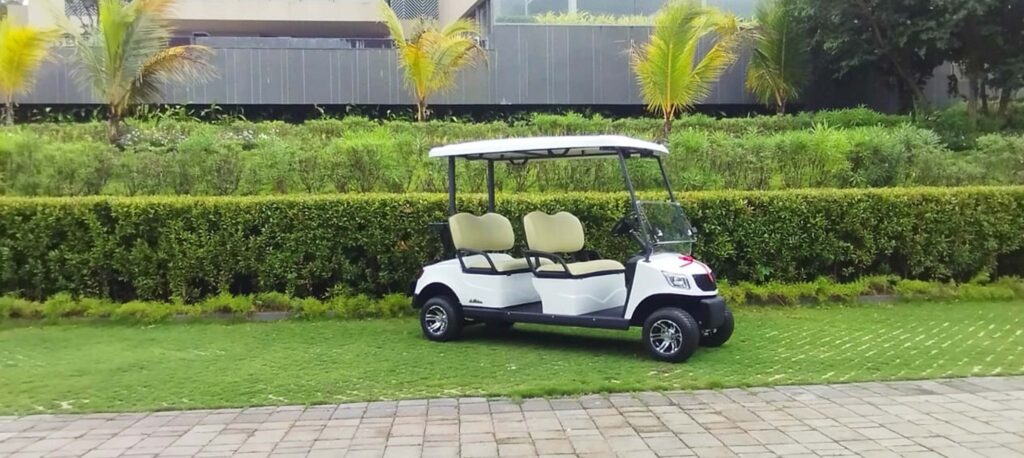
Walk through any five-star resort in Rajasthan, Kerala or Goa today and you’ll notice something different. The diesel-powered vehicles that once ferried guests between villas and restaurants are disappearing. In their place: sleek, silent Elite Electric Golf Carts with advanced lithium battery technology.
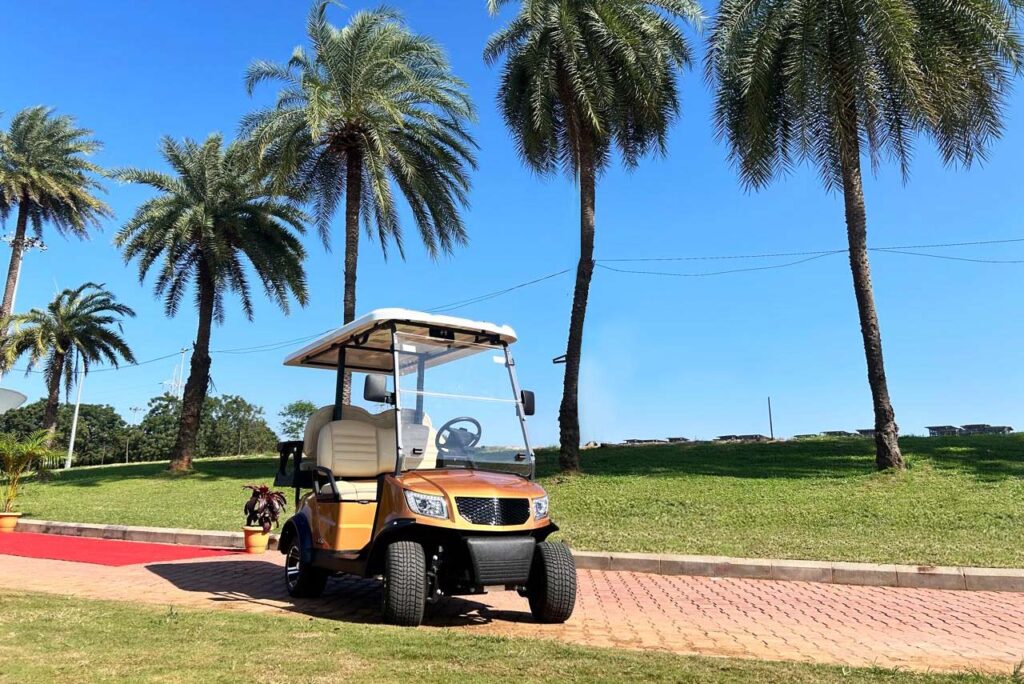
This isn’t just happening at resorts. Hospital campuses, University grounds, Heritage palaces and amusement parks are making the same shift to Elite Electric Golf Carts. The question is: why now?
The Problem Nobody Talked About
For years, large properties accepted certain operational realities as unavoidable. At luxury resorts, guests would occasionally complain about the walk from their villa to the restaurant. Elderly travellers would specifically avoid properties with sprawling layouts. Wedding planners would express concerns about moving guests across large venues.
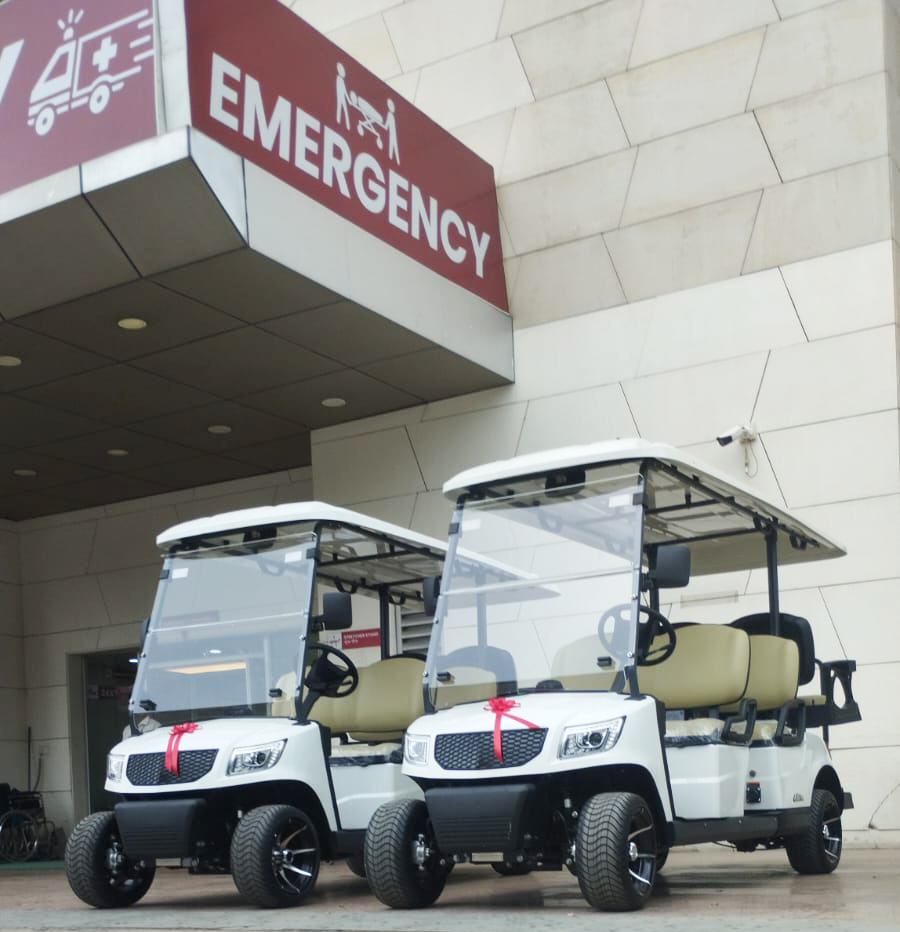
At hospitals, patient families would get exhausted navigating between wards, labs, and consultation rooms. Staff would waste valuable time walking between buildings. Elderly patients faced genuine mobility challenges.
At college campuses, faculty parking became a constant headache. Campus tours during admission season felt more like endurance tests. Differently-abled students struggled with accessibility.
At heritage properties, the charm of a 200-year-old palace came with the challenge of moving VIP guests and dignitaries across vast courtyards with dignity and comfort.
These weren’t crisis-level problems. They were just… accepted. Until some properties started asking: what if we actually solved this?
The Lithium Battery Breakthrough
Then something changed in the electric vehicle space that most people missed: lithium battery technology became genuinely practical for commercial operations. This breakthrough enabled the development of Elite Electric Carts designed specifically for premium properties.
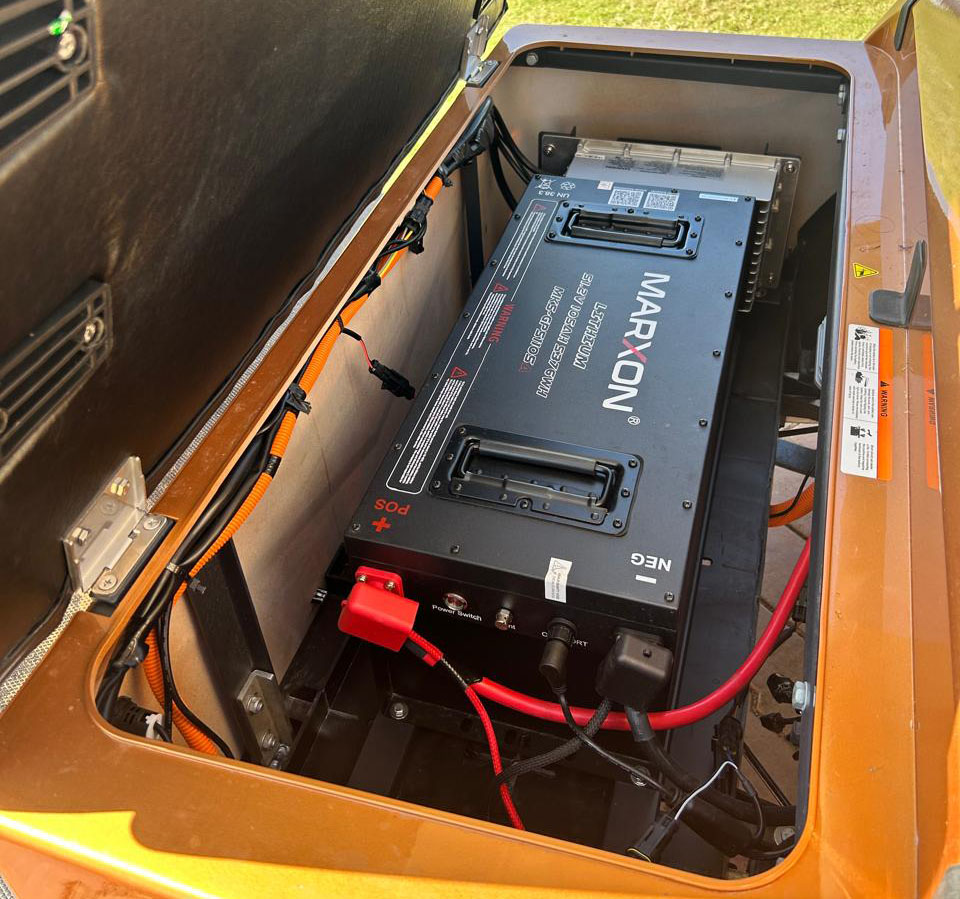
Early electric carts used lead-acid batteries – the same technology from the 1950s. They worked, but had serious limitations. Heavy, slow to charge, short range, and needed replacement every 2-3 years. Lithium changed everything, making Elite Carts the new standard for discerning properties.
Elite Electric Golf Cars could run 60-80 kilometers on a single charge, enough for all-day operation at most properties. They could charge in 3-4 hours instead of overnight. They could last 8-10 years without battery replacement. They performed consistently in Indian summer heat. And they operated completely silently.
More importantly, they became simpler to operate than diesel vehicles, not more complicated.
What “Operationally Simple” Actually Means
This is where the story gets interesting. Because the shift to electric wasn’t driven by environmental activism or government mandates. It was driven by operations managers who were tired of dealing with vehicle logistics.
Consider what changed. No more fuel management meant no daily refuelling trips, no fuel storage, no price volatility, no pilferage concerns. Just plug in overnight. Maintenance actually stayed minimal because electric motors have three moving parts instead of 200 plus. No oil changes, no air filters, no spark plugs. Annual service instead of monthly headaches.
Performance became reliable in a way diesel never was. Carts that start every single morning. No heat-related breakdowns. No monsoon issues. Just consistent, dependable operation. Staff training took minutes instead of hours because drivers needed basic instruction, not mechanical expertise.
One resort manager in Udaipur put it simply: “I stopped thinking about our transport vehicles. They just work. That’s the best compliment I can give.“
The Guest Experience Difference
But operational simplicity wasn’t the only change. Guest perception shifted dramatically.
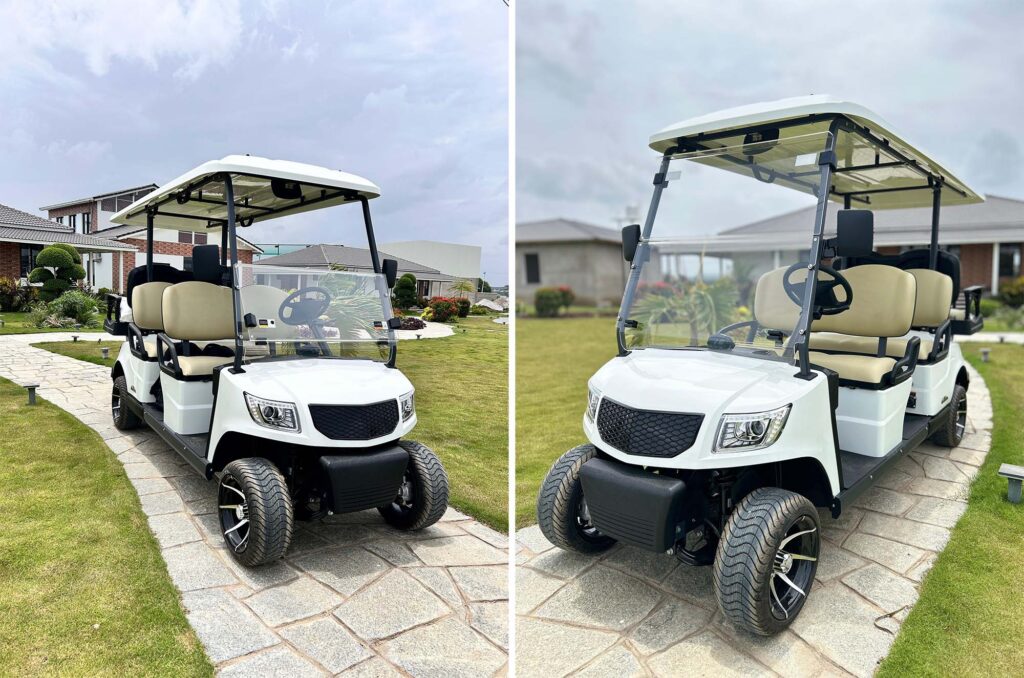
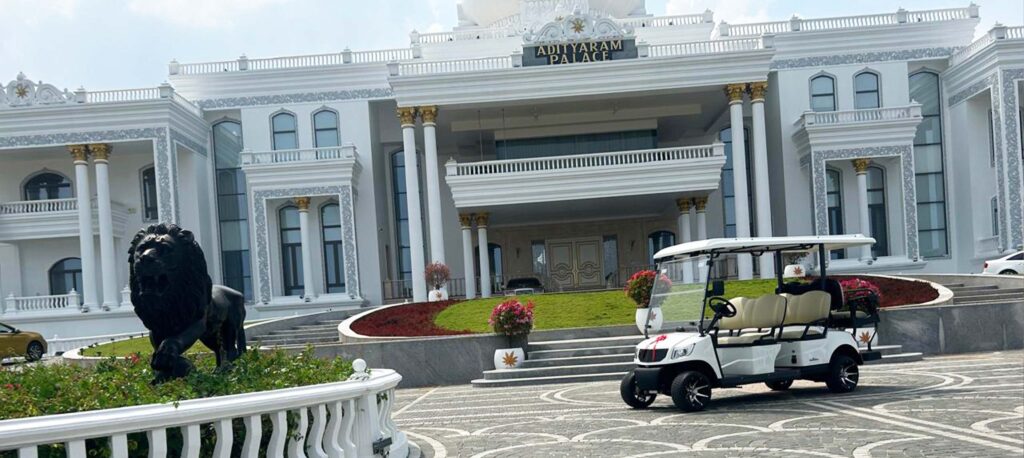
At a heritage palace in Rajasthan, the management team customized their Elite Electric Golf Carts with traditional upholstery matching the palace interiors. Burgundy leather seats. Elegant canopy designs. Silent motors. Guests started photographing the vehicles. Wedding planners began mentioning them as a venue feature. Reviews specifically praised the “royal treatment” of being transported around the property.
The vehicles weren’t just transport anymore. They became part of the experience.
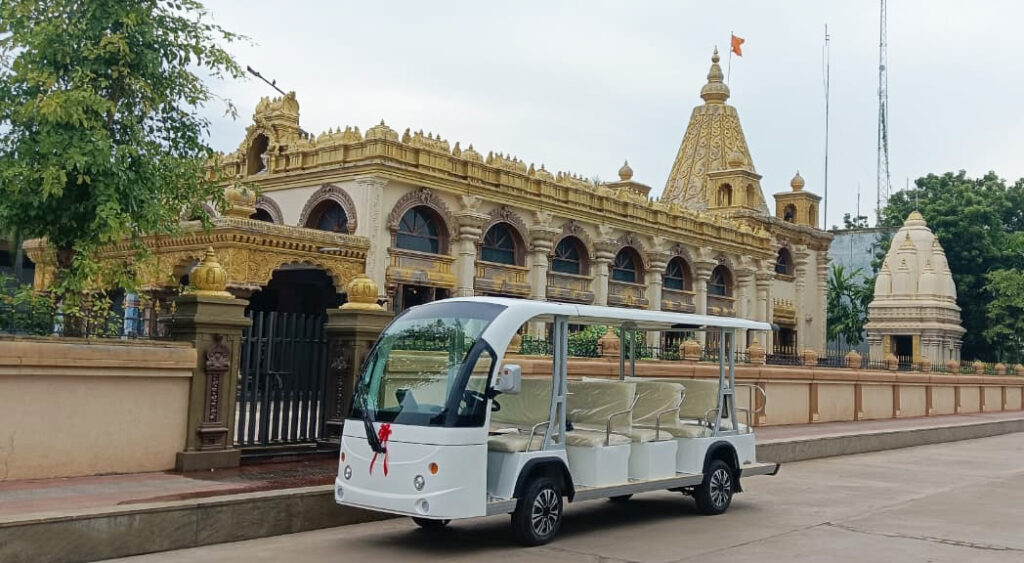
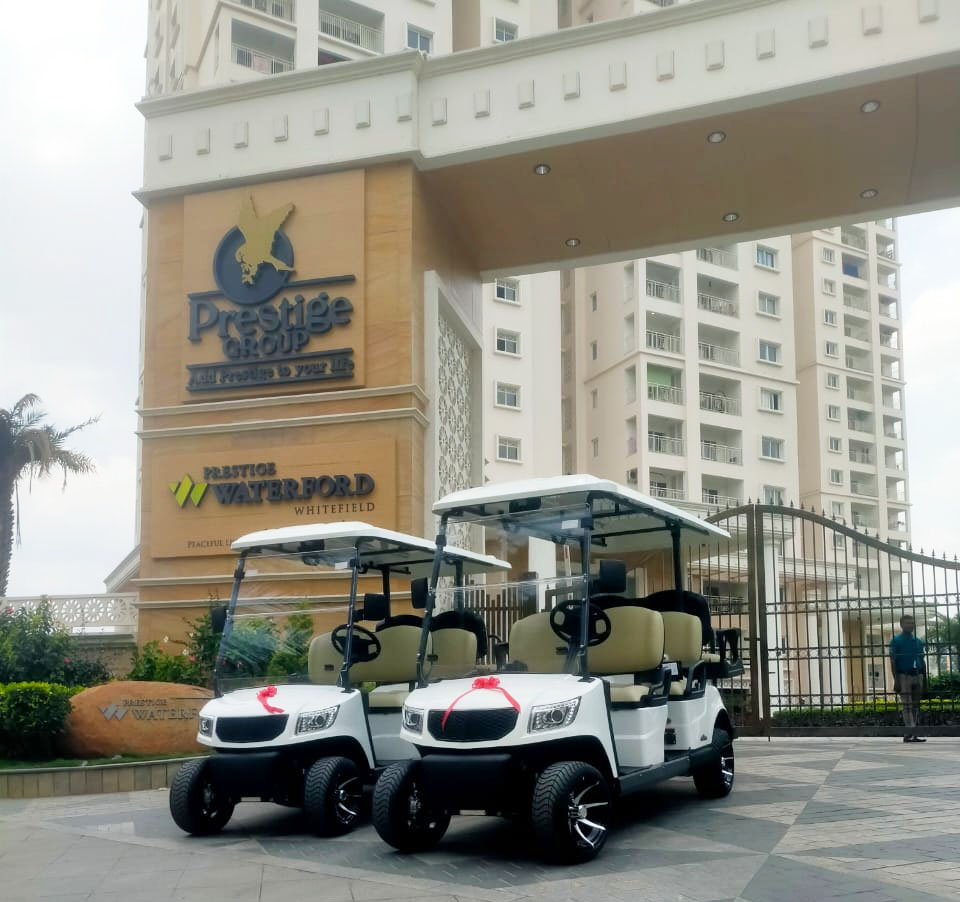
This pattern repeated across properties. Boutique resorts saw their Elite Carts featured in Instagram posts. Hospitals received positive feedback about “thoughtful touches.” Universities found campus tours became a selling point during admissions. Amusement parks created VIP transport tiers with premium electric vehicles.
The realization: when mobility is done right, it enhances the entire property experience rather than just solving a logistics problem.
The Customization Advantage
Here’s something interesting: no two properties use the same cart configuration.
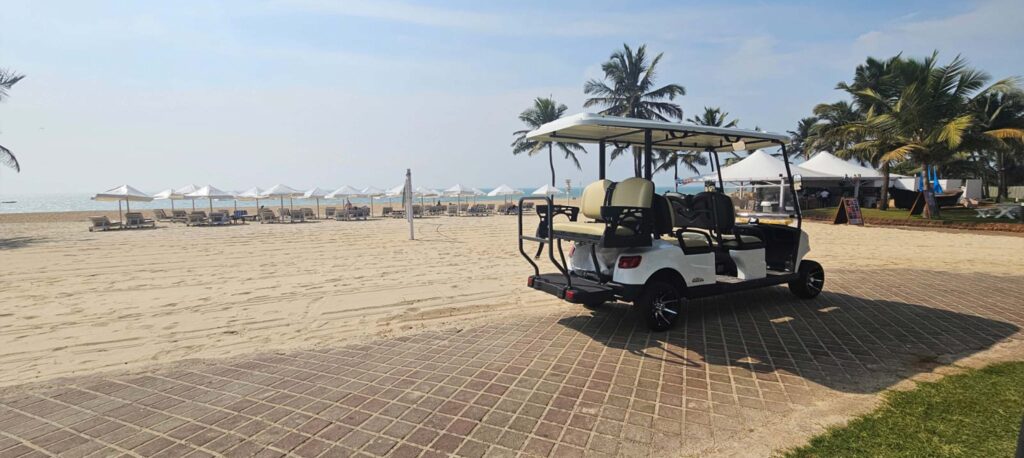
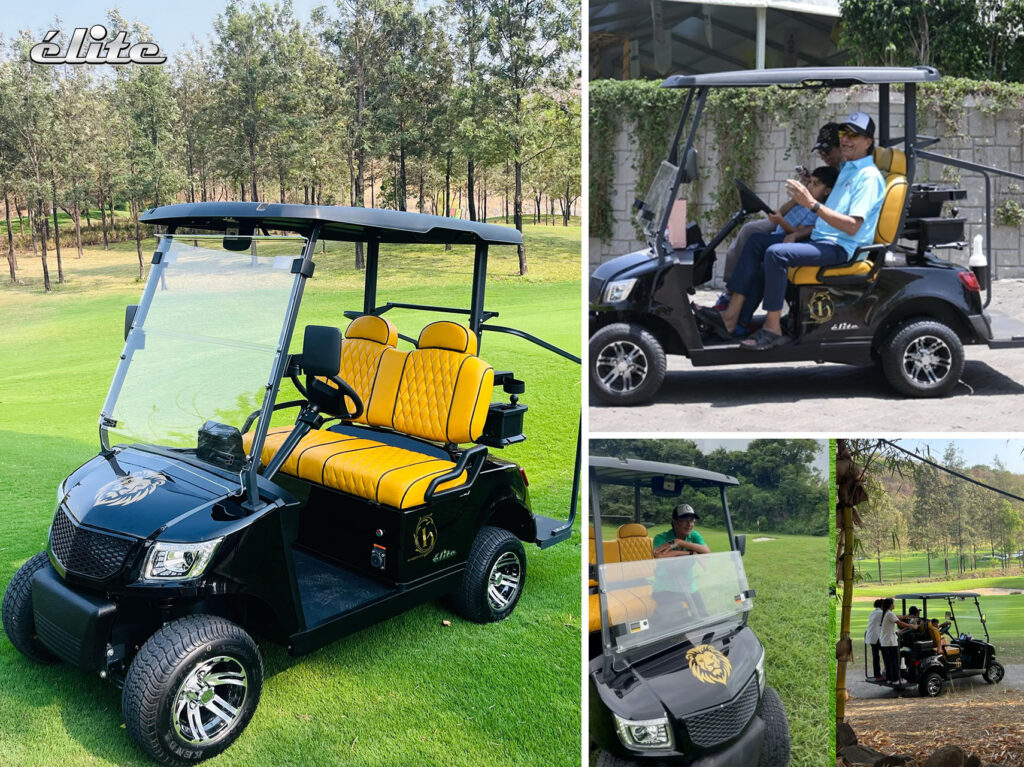
A beach resort in Goa might need weather-resistant seating for humid conditions, 6-seater configurations for family transport, and branding in their signature turquoise and white. A hospital in Bangalore requires easy access for elderly patients, medical equipment storage, and quiet operation as a non-negotiable. A heritage hotel in Jaipur wants aesthetics that match 18th-century architecture, premium finishes for VIP guests, and custom insignias with royal details. A college campus in Pune needs high daily range for constant shuttles, durable construction for heavy use, and fleet management systems for tracking.
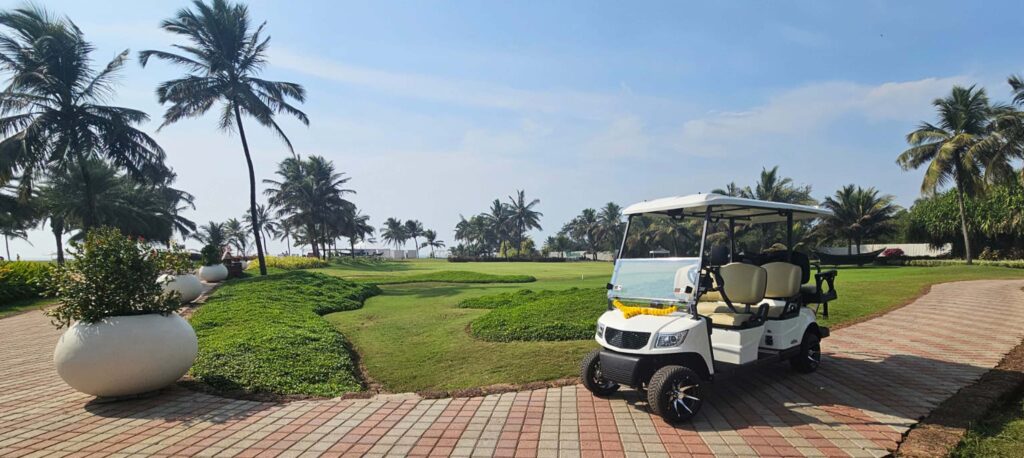
The beauty of modern Elite Electric Golf Carts: they’re platforms that can be tailored to exact requirements, not one-size-fits-all solutions.
The Sustainability Story That Actually Resonates
Every property manager has heard about sustainability. Most have sat through presentations about carbon footprints and environmental responsibility. But here’s what actually moved the needle: guests started noticing and caring.
Not in a “we read your sustainability report” way. In a visceral, experiential way. When guests ride in a completely silent Elite Electric Golf Cart through landscaped gardens – no engine noise, no fumes, just smooth electric motion – that’s when sustainability becomes real to them. That’s when they post about it. That’s when it becomes part of your brand story.
A resort owner shared this insight: “We’ve had our solar panels for five years. Nobody ever mentioned them. We added Elite Electric Carts three months ago, and now half our reviews talk about our environmental commitment. It’s the difference between telling and showing.”
For properties pursuing green certifications, electric fleet mobility became one of the most visible and impactful changes they could make.
The Financial Reality
Here’s the question every CFO asks: what’s this actually going to cost us over time?
Properties that made the switch consistently report the same pattern. Year one brings a higher upfront investment compared to diesel alternatives. Year two shows operating costs noticeably lower. Year three reveals the cost gap widening significantly. Years four and five demonstrate total savings becoming substantial. Year six and beyond means running on the same batteries while diesel vehicles need major overhauls or replacement.
The lithium battery lifespan is the key variable. When batteries last 8-10 years instead of 2-3, the entire cost equation changes. Add in fuel savings, maintenance reduction, and improved reliability, and the financial case becomes compelling.
But here’s what surprised most properties: the cost savings weren’t even the best part. The operational simplicity and guest experience improvements mattered more.
The Implementation Reality
One concern property managers consistently raise: this sounds complicated to implement. The actual experience has been the opposite.
A typical timeline involves site assessment and requirement gathering over one to two weeks, followed by custom design and specifications over two to three weeks. Charging infrastructure installation takes about a week, and vehicle delivery with staff training takes another week. Most properties are fully operational within 60 days. Some have done it faster.
The charging infrastructure is simpler than expected, usually just dedicated power points in an existing parking or storage area. Many properties integrate solar panels for additional cost savings and sustainability impact. Staff training takes an afternoon. The vehicles are intuitive to operate, and drivers adapt quickly.
What Leading Properties Are Doing Differently
The properties that have implemented electric mobility most successfully share certain approaches.
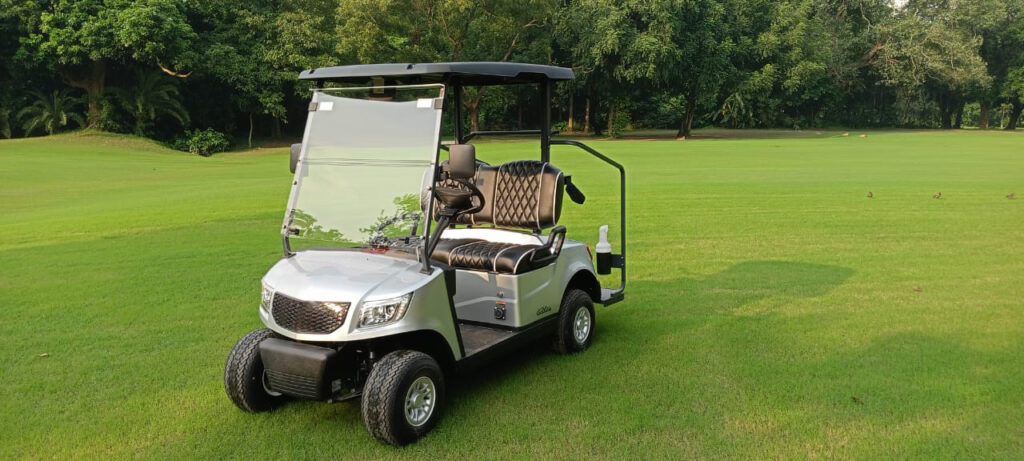
They started with a clear vision, not just “we need carts” but “how do we want guests to move through our property?” They customized thoughtfully, matching vehicles to their brand identity rather than accepting standard options. They thought about the full experience, from how guests are greeted at reception and escorted to their villa, to how the carts integrate with their service standards.
They communicated the change, making electric mobility part of their property story, not a behind-the-scenes operational detail. And they measured the impact, tracking guest feedback, operational efficiency, and cost savings to validate the decision.
The Broader Trend
Step back and look at what’s happening across India’s premium properties.
Heritage palaces in Rajasthan are electrifying their fleets to preserve ambience while modernizing operations. Luxury resorts in Gurgaon, Kerala, Goa and Rajasthan are making electric carts part of their signature guest experience. Corporate hospitals in metro cities are adopting electric mobility as a patient care standard. Leading universities are integrating electric transport into campus infrastructure planning. Theme parks and entertainment venues are phasing out fossil fuel vehicles entirely.
This isn’t a trend driven by mandates or regulations. It’s being driven by properties that saw an opportunity to improve operations and guest experience simultaneously.

The Questions Worth Asking
If you manage a large property, here are the questions worth considering.
About guest experience: Are there mobility pain points we’ve accepted as normal? Do elderly guests or families with children struggle with our property layout? Would seamless, premium transport enhance the overall experience? Are competitors offering mobility solutions we’re not?
About operations: How much time and energy goes into vehicle maintenance and fuel management? Do vehicle breakdowns create operational stress during peak seasons? Could our staff be more productive with simpler transport logistics? What’s our actual cost of mobility over a five-year period?
About positioning: Does our sustainability story need more visible, experiential elements? Could enhanced mobility become a competitive differentiator? Are we projecting the modern, premium image we want? What would genuinely excellent guest mobility look like at our property?
The Core Insight
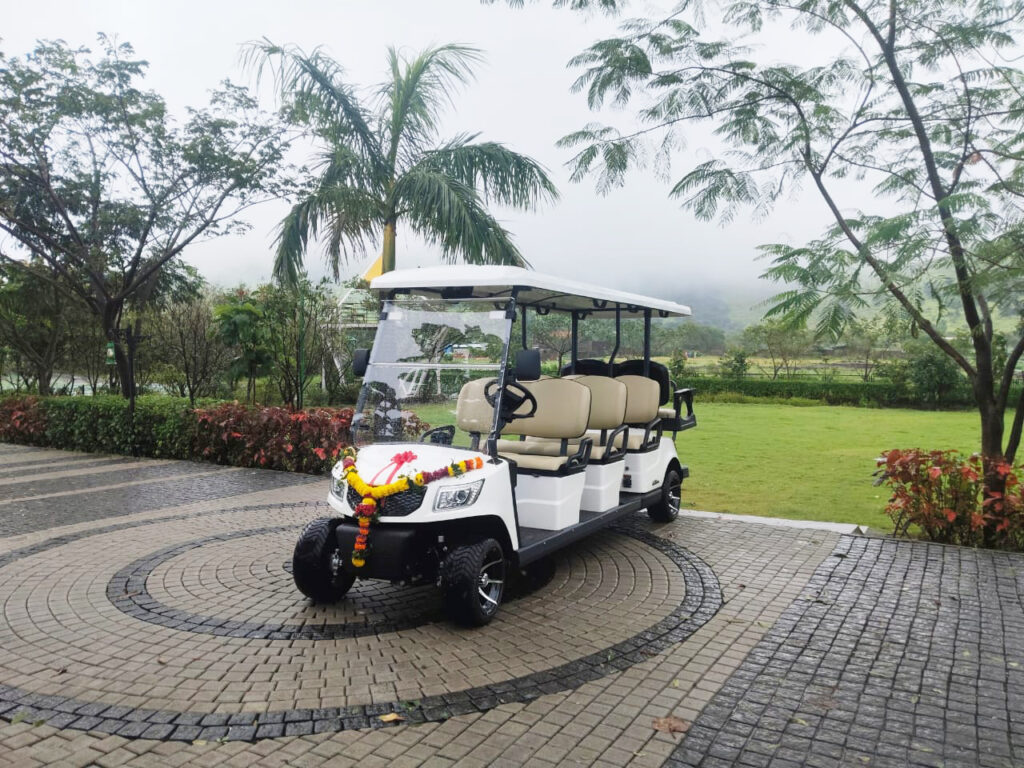
Here’s what the most successful implementations have in common: they didn’t think of Elite Electric Carts as a vehicle purchase. They thought of them as an investment in guest experience and operational excellence.
The properties that simply replaced diesel carts with electric ones got cost savings and simpler maintenance. The properties that reimagined their entire mobility approach – considering routes, branding, service integration and guest touchpoints – got something more valuable: a genuine competitive advantage with their Elite Cart fleet.
What Comes Next
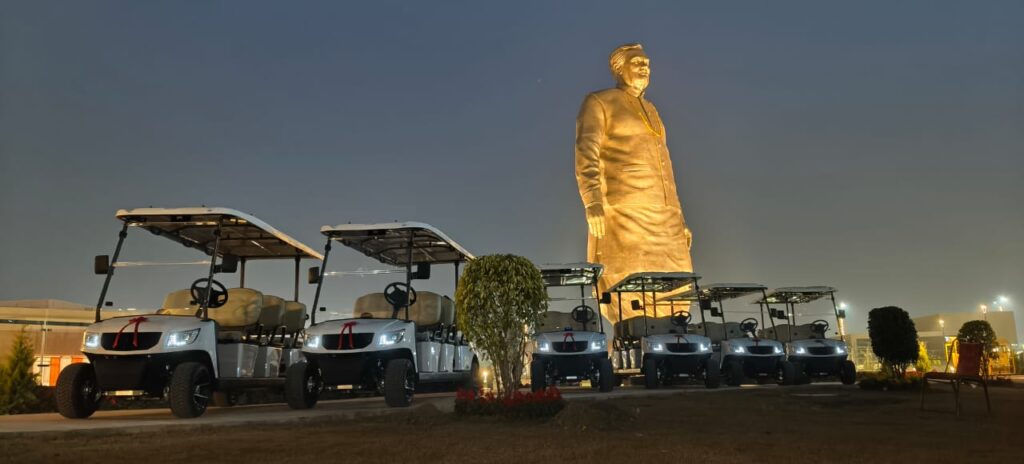
The shift to electric mobility at large properties isn’t coming. It’s already here.
The question for property managers isn’t whether this makes sense in theory. It’s whether it makes sense for your specific property, with your unique requirements, serving your particular guests.
That requires more than reading an article. It requires understanding your actual mobility patterns and pain points, the right vehicle configurations for your needs, the true long-term cost implications, how customization could enhance your brand, and what implementation would actually involve.
The properties making this transition successfully aren’t doing it alone. They’re working with partners who understand both the technology and the hospitality, healthcare, or educational context.
Learn More
If you’re curious whether Elite Electric Golf Carts with lithium battery technology could work for your resort, hospital, campus, heritage property, or entertainment venue, the next step is a conversation about your specific situation.
Visit our website (www.golfcarindia.com) to explore detailed specifications and customization options, case studies from properties similar to yours, implementation timelines and process details, the full range of configurations available, and how to request a property-specific assessment.
Or contact us directly if you have specific questions about your property’s needs. This isn’t about selling you vehicles. It’s about helping you understand if this approach could genuinely improve your operations and guest experience. Elite Electric Golf Carts Transforming mobility at India’s premier properties.
For more details reach us at:
Mobile: +91 93812 52255
Email: elitegolfcar@gmail.com
Website: www.golfcarindia.com